Chanukah, Light, and the Moral Line I Cannot Cross
Chanukah has always been a holiday of light, but not the easy kind. Not decorative light. Not light that exists because darkness has already passed. Chanukah is about the light we are asked to kindle while darkness is still very much present.
I was taught that light is not passive. It requires intention. Courage. Responsibility.
This Chanukah, I am angry and dumbfounded.
How are others able to reconcile the values I was raised with, the lessons of Jewish history, and the scale of civilian suffering I am witnessing in Gaza? The holiday that taught me to resist oppression, to honor life, and to refuse the normalization of cruelty is unfolding alongside destruction that I cannot accept or explain away.
Chanukah commemorates a moment when a small, vulnerable people resisted the abuse of power. It is not a celebration of domination. It is a refusal to surrender conscience in exchange for security. The miracle we remember is not military might. It is that a people chose integrity when they were told survival required silence.
That lesson matters now.
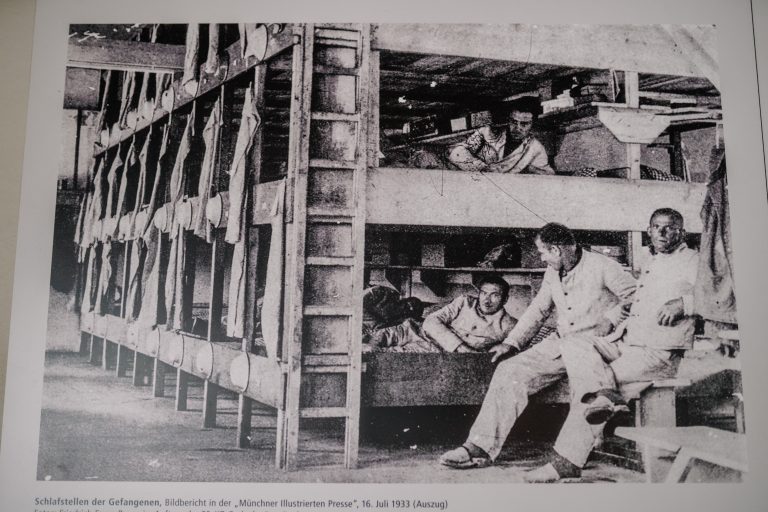
I was taught that Jewish memory is not a shield against criticism. It is a responsibility. Holocaust remembrance, in particular, was never presented to me as a justification for harm. It was taught as a warning about where dehumanization leads, about how quickly entire populations can be rendered expendable once fear overrides empathy.
The Holocaust did not begin with camps. It began with language. With policies. With the quiet acceptance of collective punishment. With the belief that suffering could be justified if the people suffering were defined as a threat.
That history does not belong to the past. It belongs to our moral present.
I grieve deeply for Israeli lives lost. I grieve for Jewish trauma that is real, inherited, and ongoing. But grief does not erase obligation. Pain does not excuse indifference to the suffering of others. Jewish ethics have never demanded that we choose whose lives matter. They insist that life itself matters.
What I am witnessing in Gaza, the scale of civilian death, the devastation of families, the conditions humanitarian organizations have described as catastrophic, is something I experience as genocide. I understand that legal definitions are debated. I am not offering a court ruling. I am naming a moral reality I cannot ignore.
And I am heartbroken by how divided we have become.
I do not recognize my values in arguments that treat Palestinian children as collateral. I feel estranged from rhetoric that asks me to suspend empathy in the name of loyalty. I am astonished not because Jews disagree, disagreement is part of our tradition, but because so many seem willing to accept suffering that violates the very teachings we claim to honor.
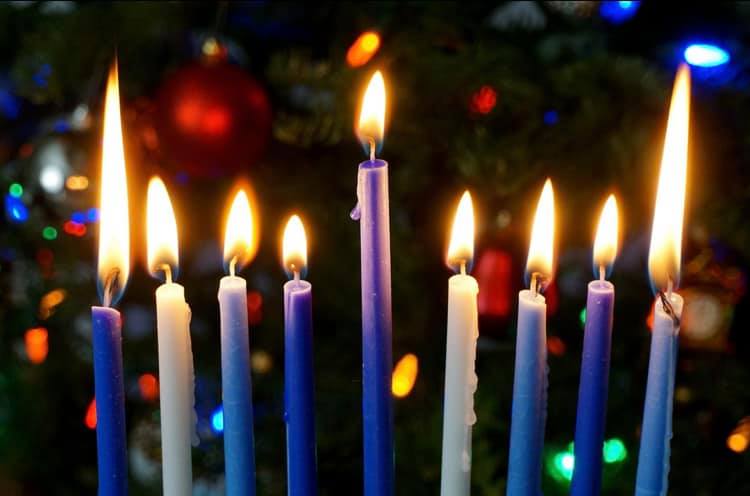
Chanukah does not ask us to be comfortable. It asks us to light candles, knowing they are fragile. Knowing the darkness will not disappear overnight. Knowing that one small flame does not fix everything, but refusing to light it guarantees nothing will change.
For me, keeping Chanukah this year means refusing to look away. It means holding Jewish pain and Palestinian pain in the same moral frame. It means rejecting the idea that history absolves us from accountability rather than demanding more of us.
If Chanukah teaches anything, it is that power without conscience is not victory. Survival without humanity is not redemption. And light that only illuminates our own suffering, while leaving others in darkness, is not the light we were commanded to kindle.
This Chanukah, I light my candles in grief, in love, and in refusal.
Refusal to forget what Jewish memory is for.
Refusal to accept the normalization of mass death.
Refusal to stand behind the destruction of a people and call it safety.
May the light we kindle this year demand something of us.
May it trouble us.
May it keep us honest.
And may it remind us that “never again” was never meant for Jews alone.